Hall Effect Measurement Systems
MAGTRANS offers Hall Effect Measurement Systems for determining carrier concentration, mobility, resistivity and Hall coefficient in semiconductor and functional materials under controlled magnetic fields.
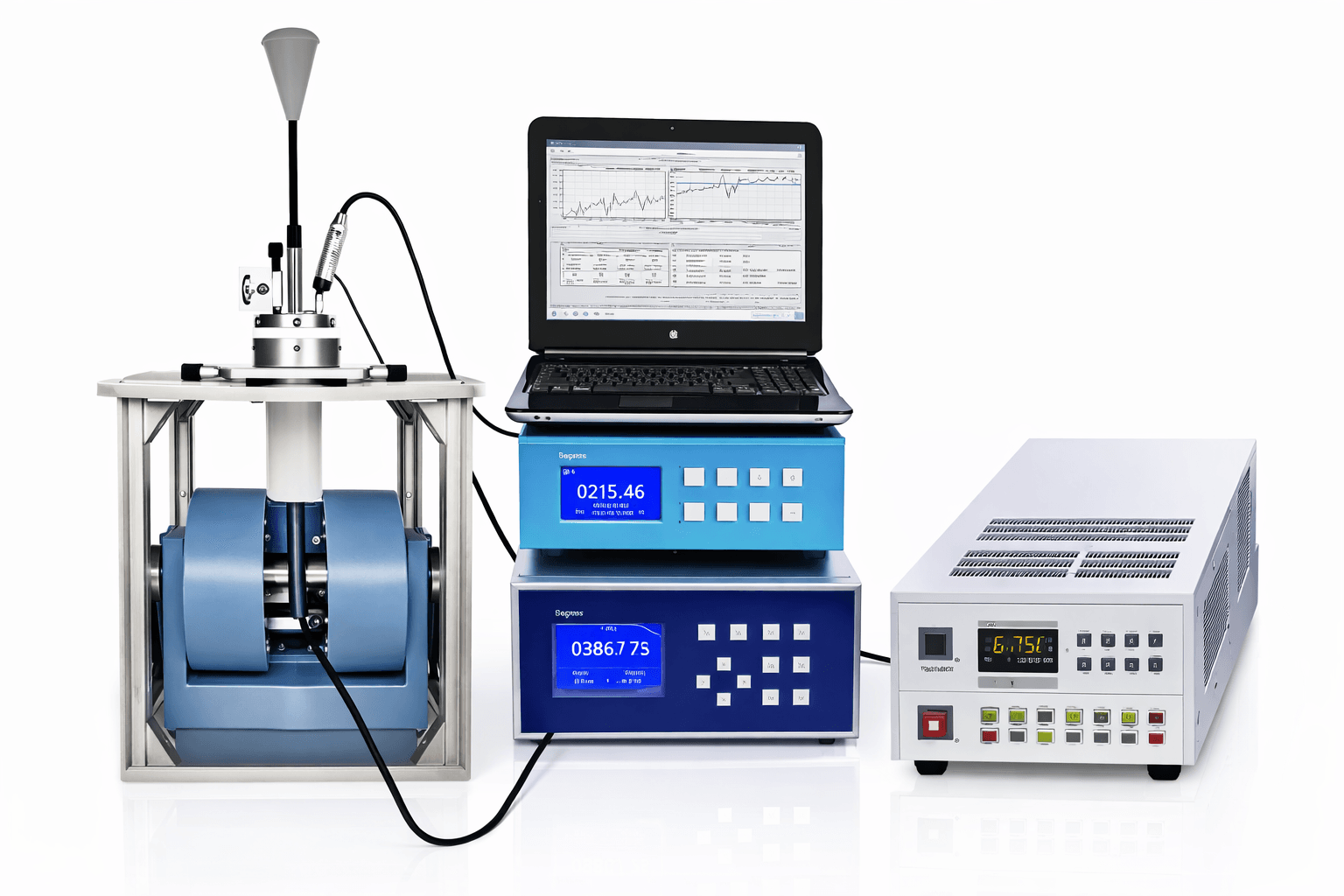
DX-70 Hall Measurement System
Measures carrier concentration, mobility, resistivity and Hall coefficient of semiconductor materials.
View Details →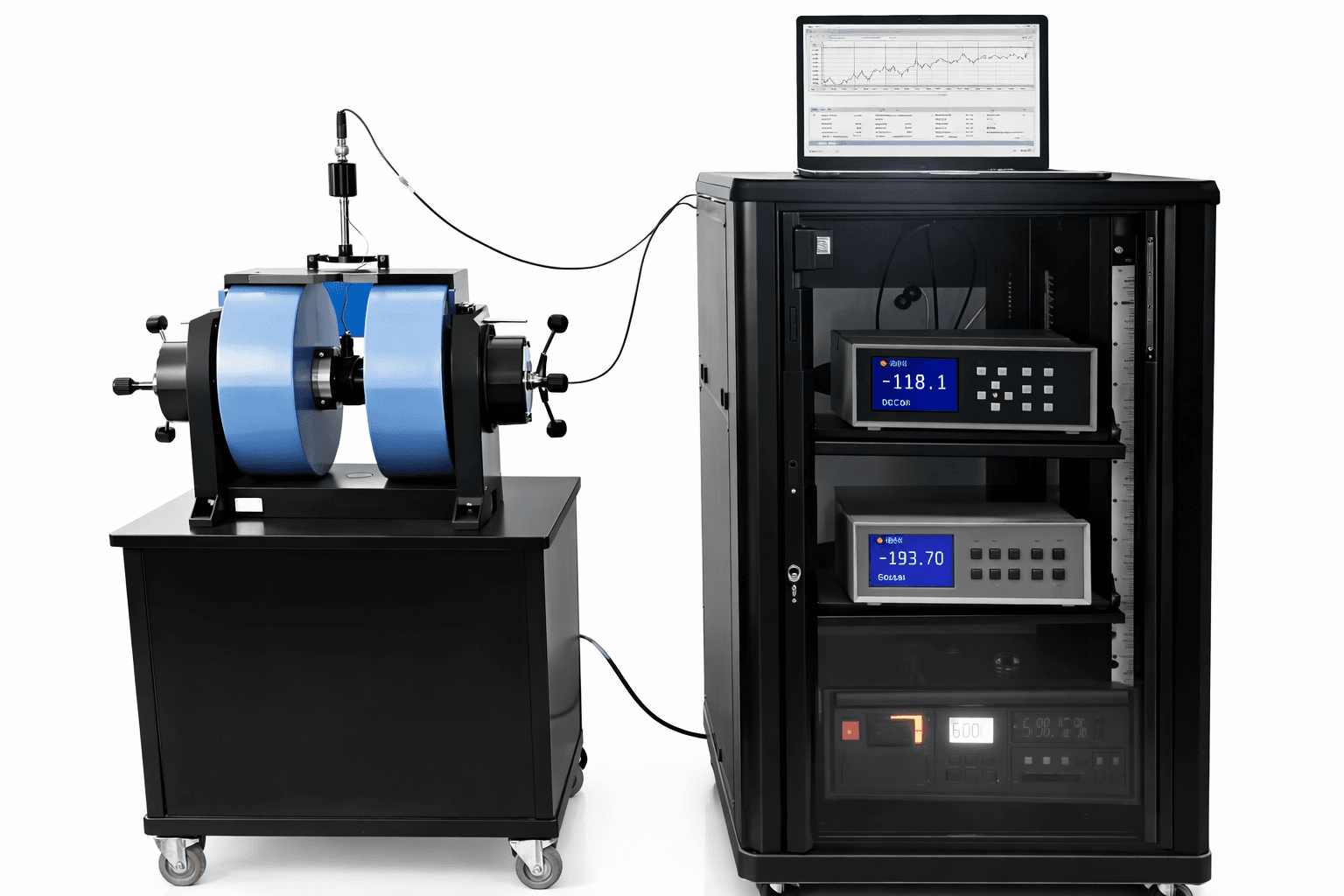
DX-100 Hall Effect Measurement Equipment
Integrated electromagnet-based system with precision current source, voltmeter and system software.
View Details →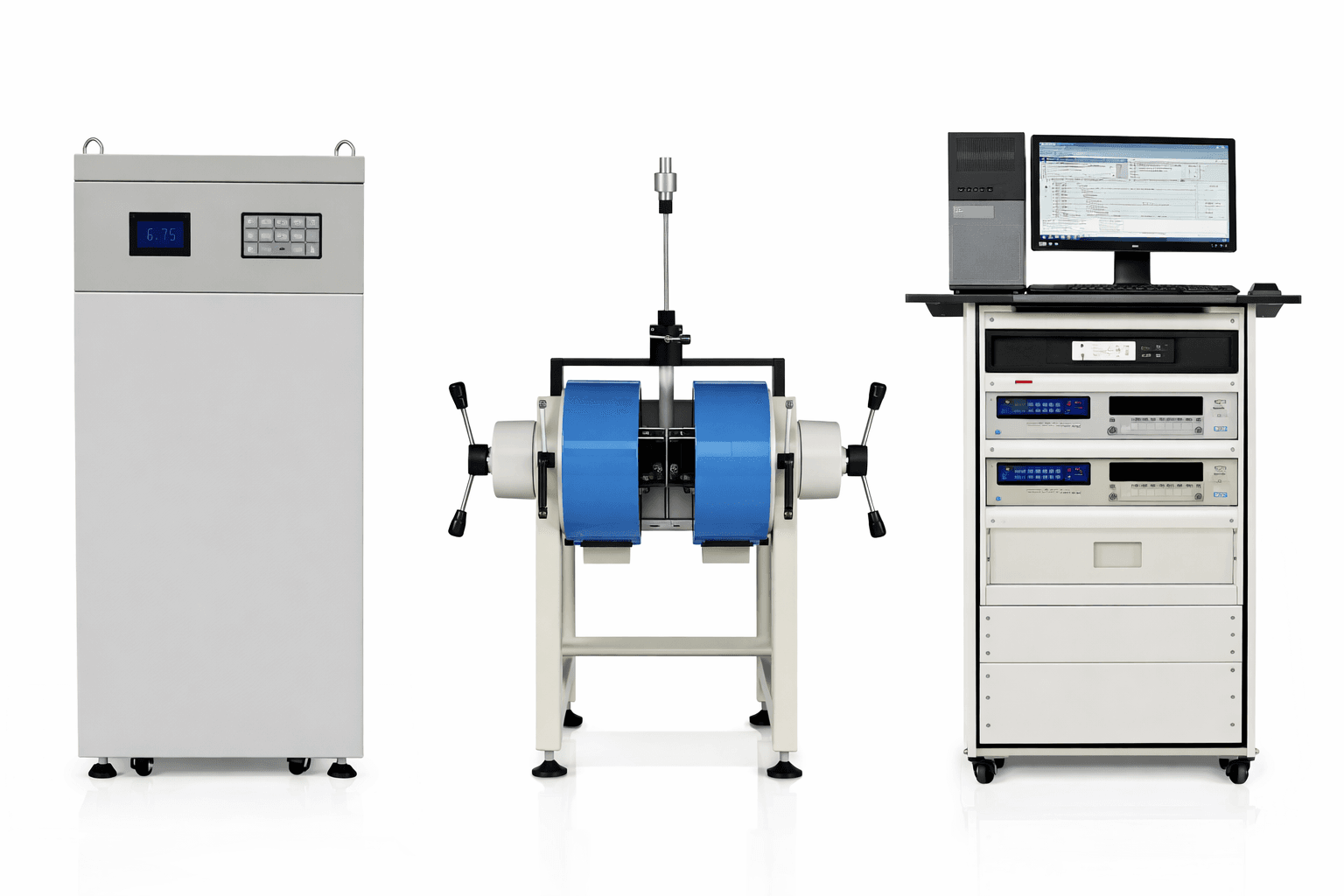
DX-3000 Hall Effect Device
Fully automated system integrating Hall effect, magnetoresistance and IV characteristics testing.
View Details →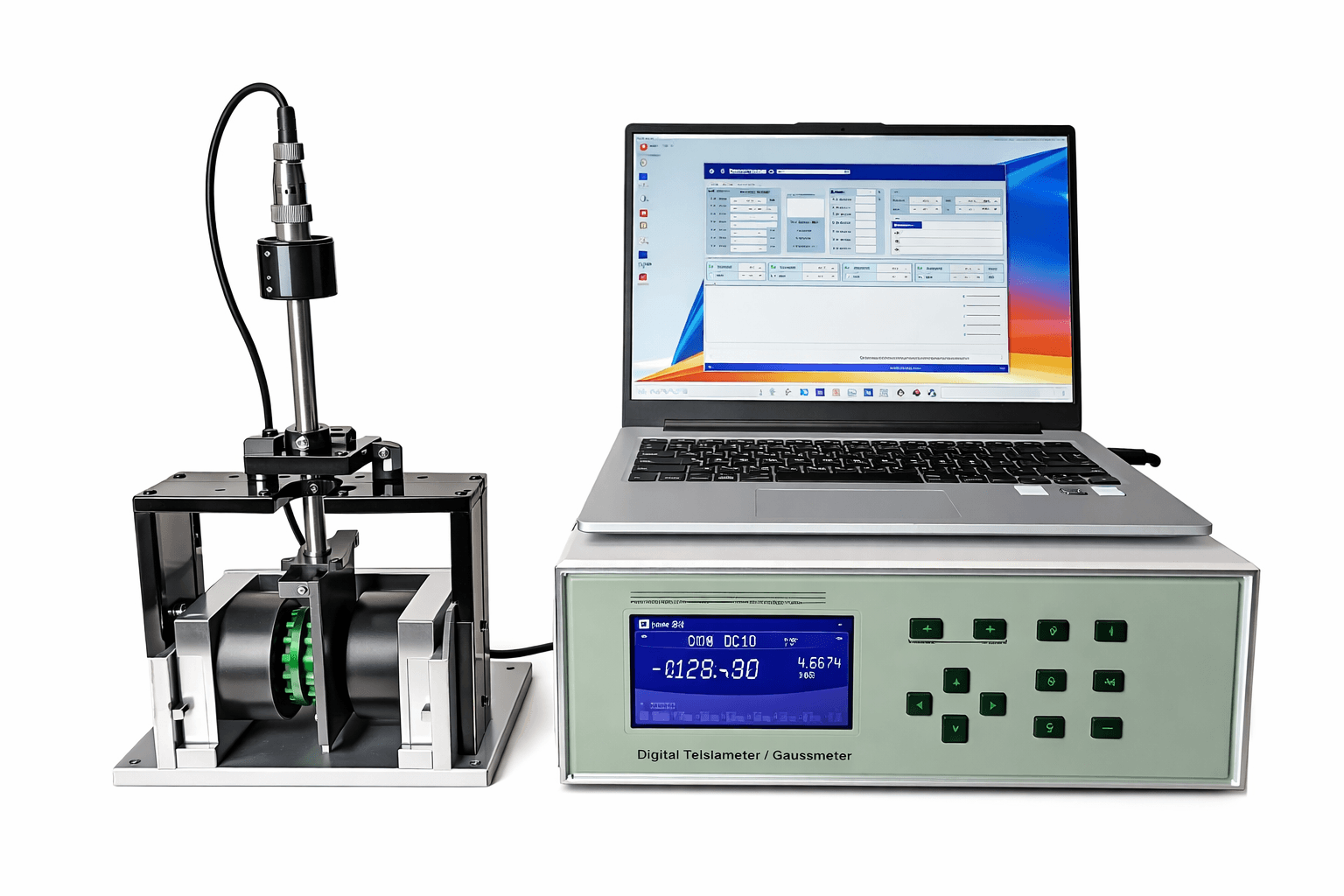
DX-30 Permanent Magnet Hall Effect Meter
Permanent magnet based Hall measurement system with high-precision Gauss meter and current source.
View Details →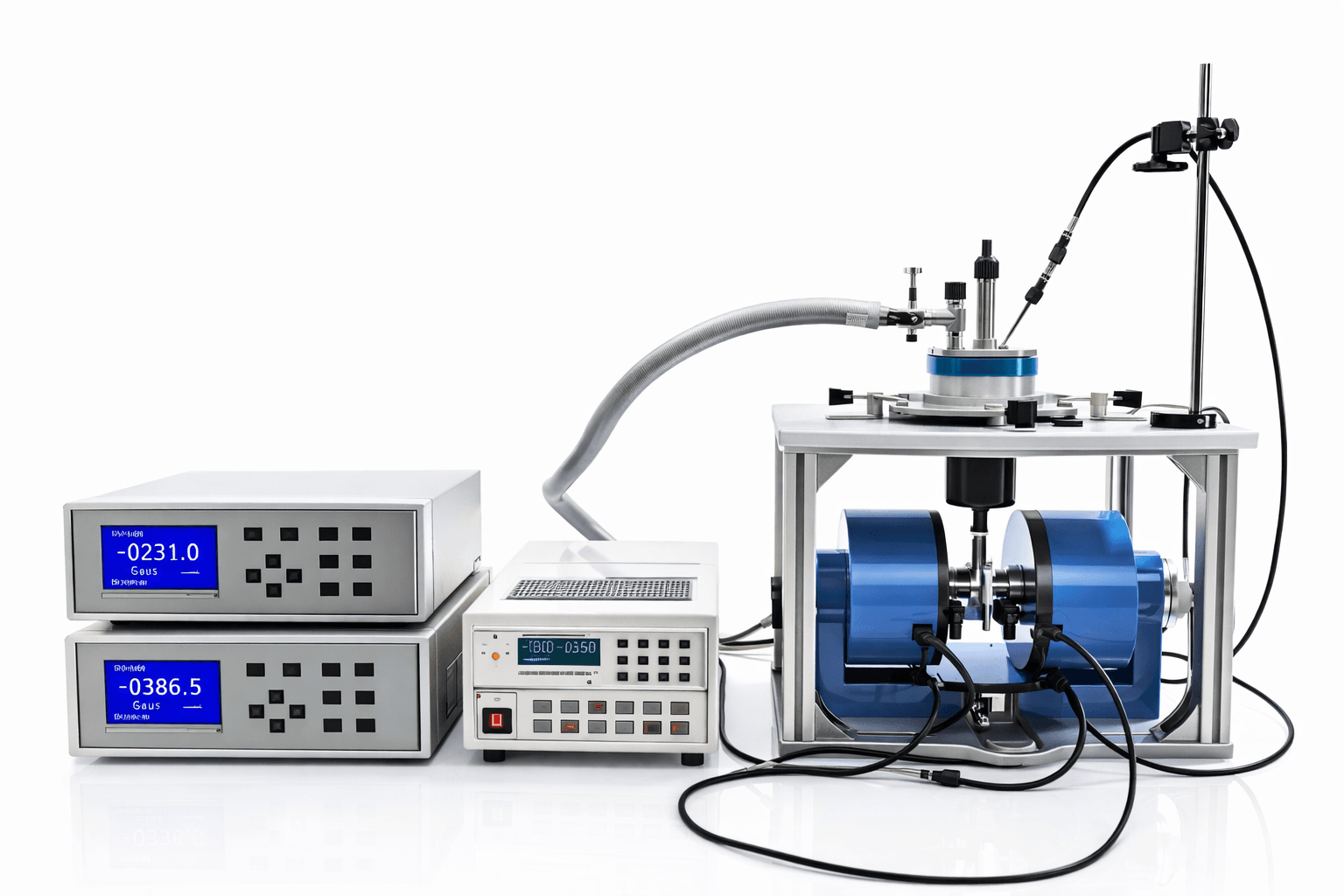
DX-60 Hall Effect Measurement Instrument
Electromagnet-based precision Hall effect measurement system for semiconductor materials.
View Details →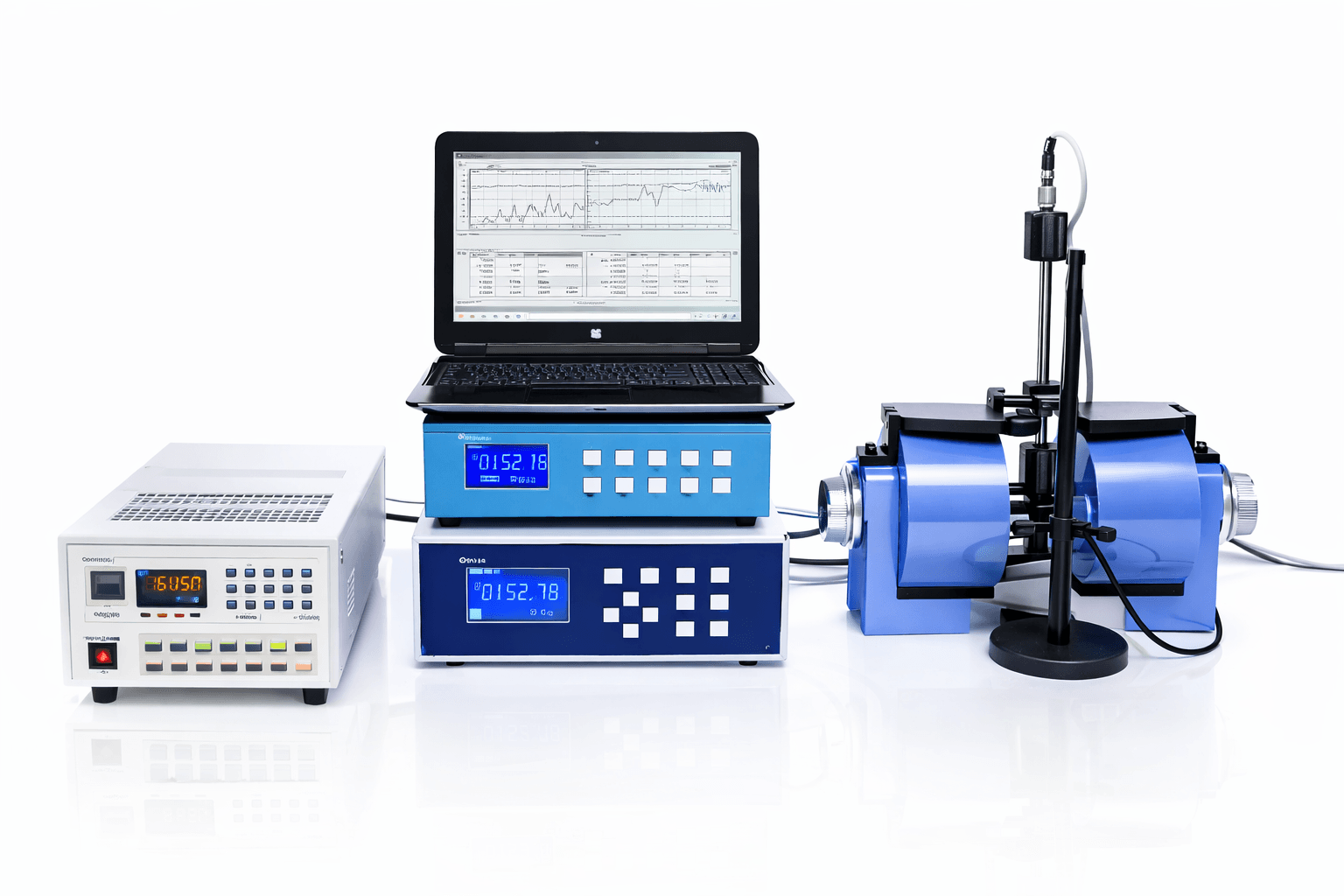
DX-50 Hall Effect Measurement System
Laboratory Hall measurement system for research and semiconductor device studies.
View Details →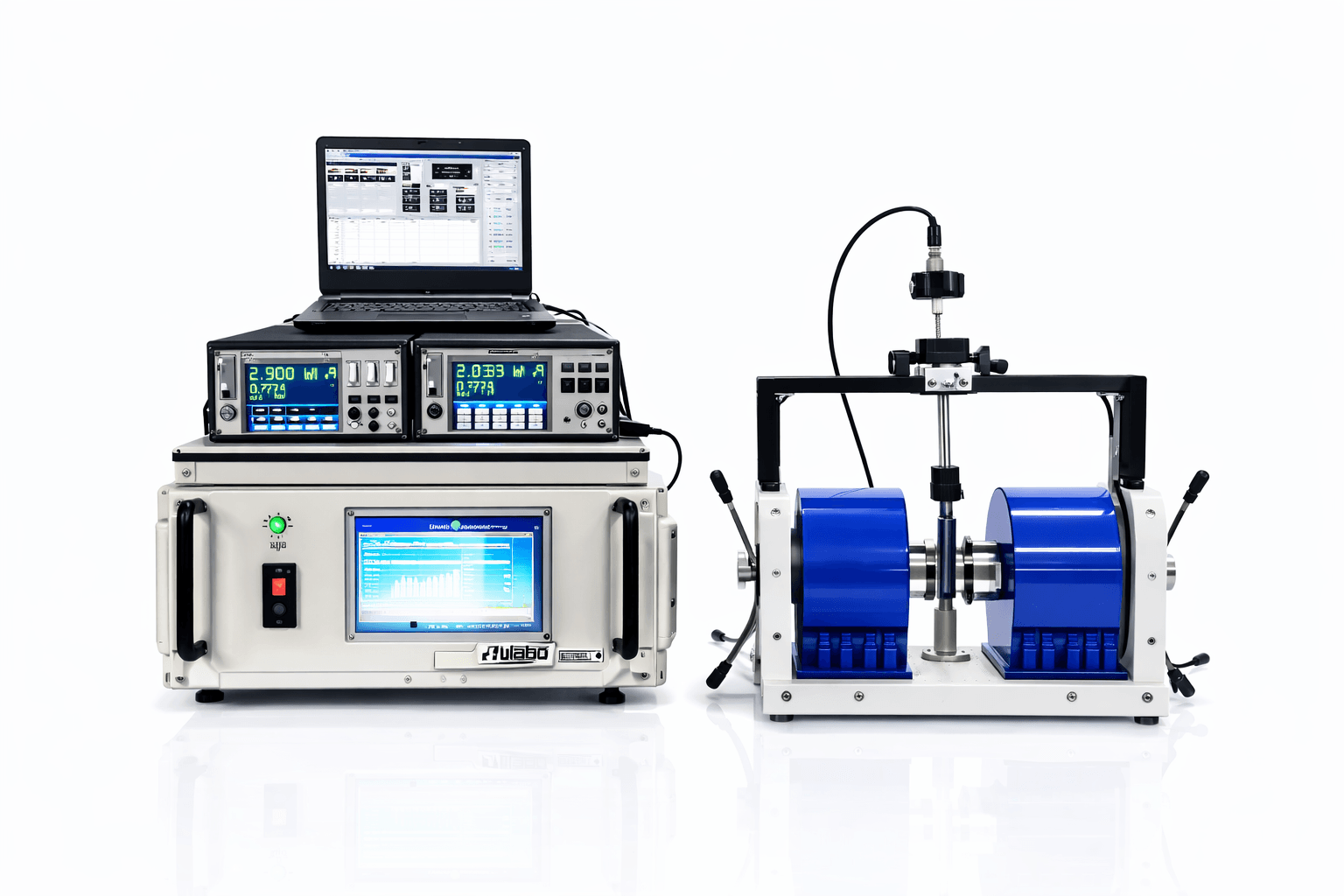
High & Low Temperature Hall Effect Test System
Temperature-controlled Hall measurement setup with Dewar and thermal controller.
View Details →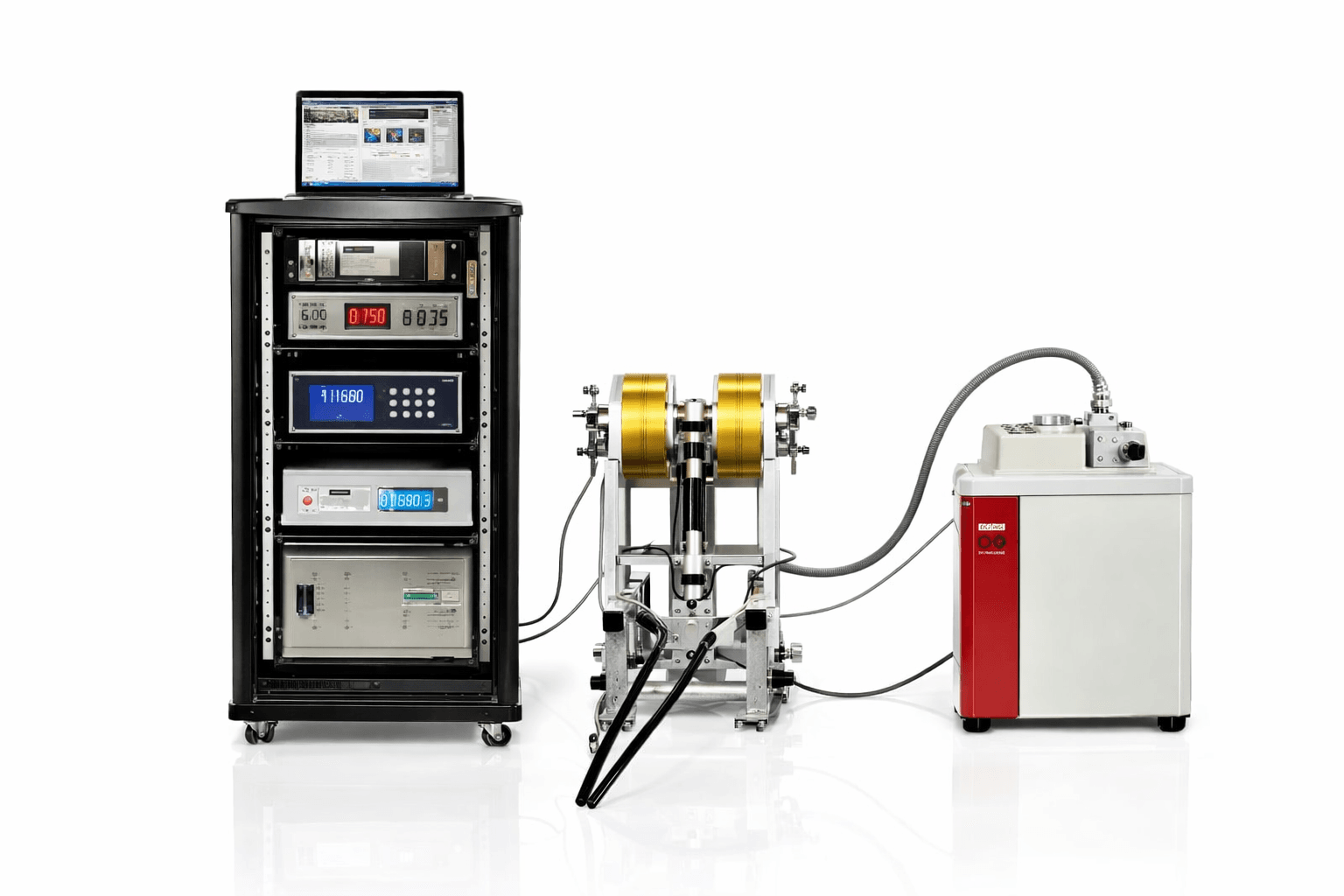
DX-1000H High Temperature Hall Measurement Setup
High temperature vacuum Hall measurement system with precision magnetic field control.
View Details →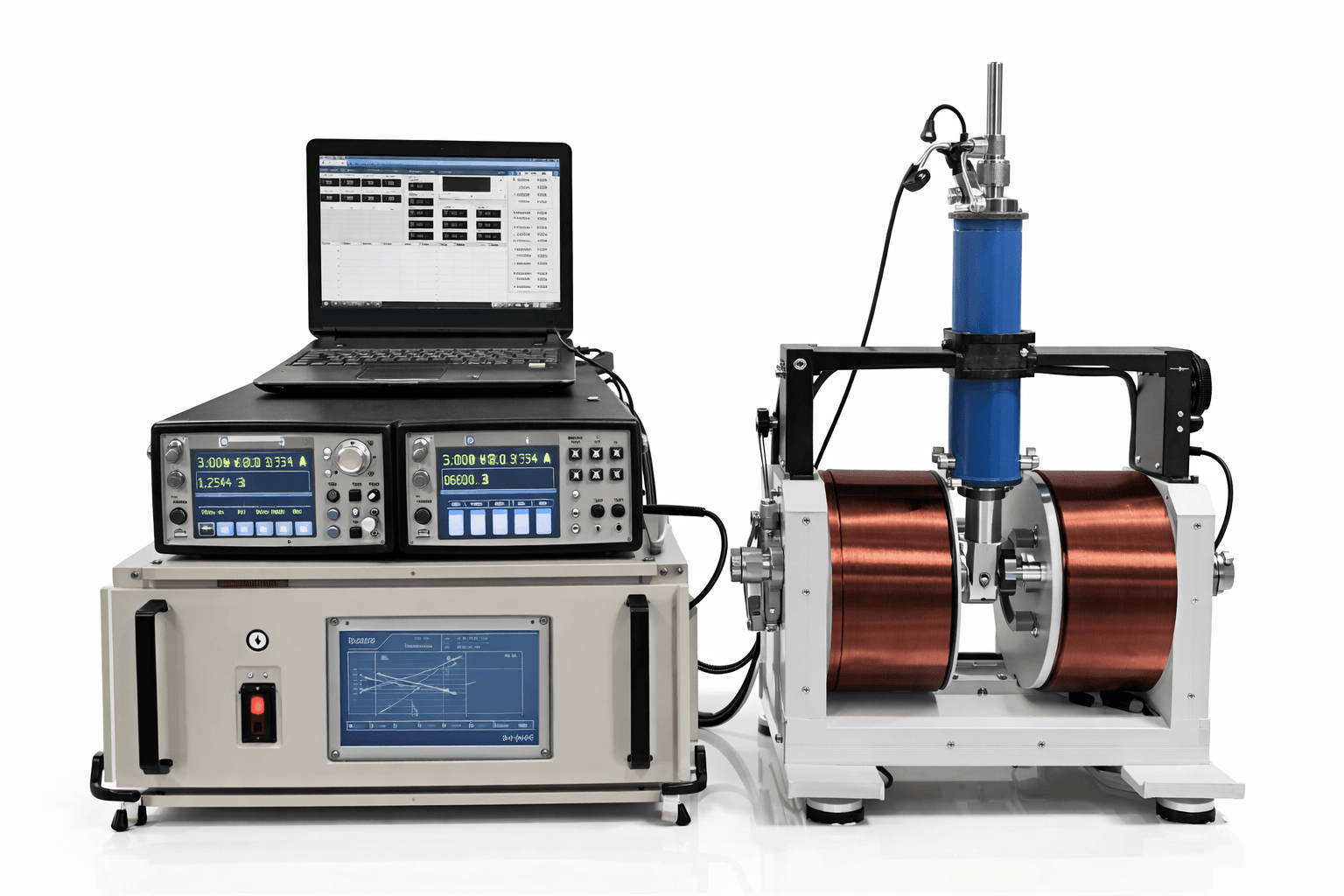
DX-1000L Low Temperature Hall Effect Test System
Low temperature Hall effect test system for cryogenic semiconductor characterisation.
View Details →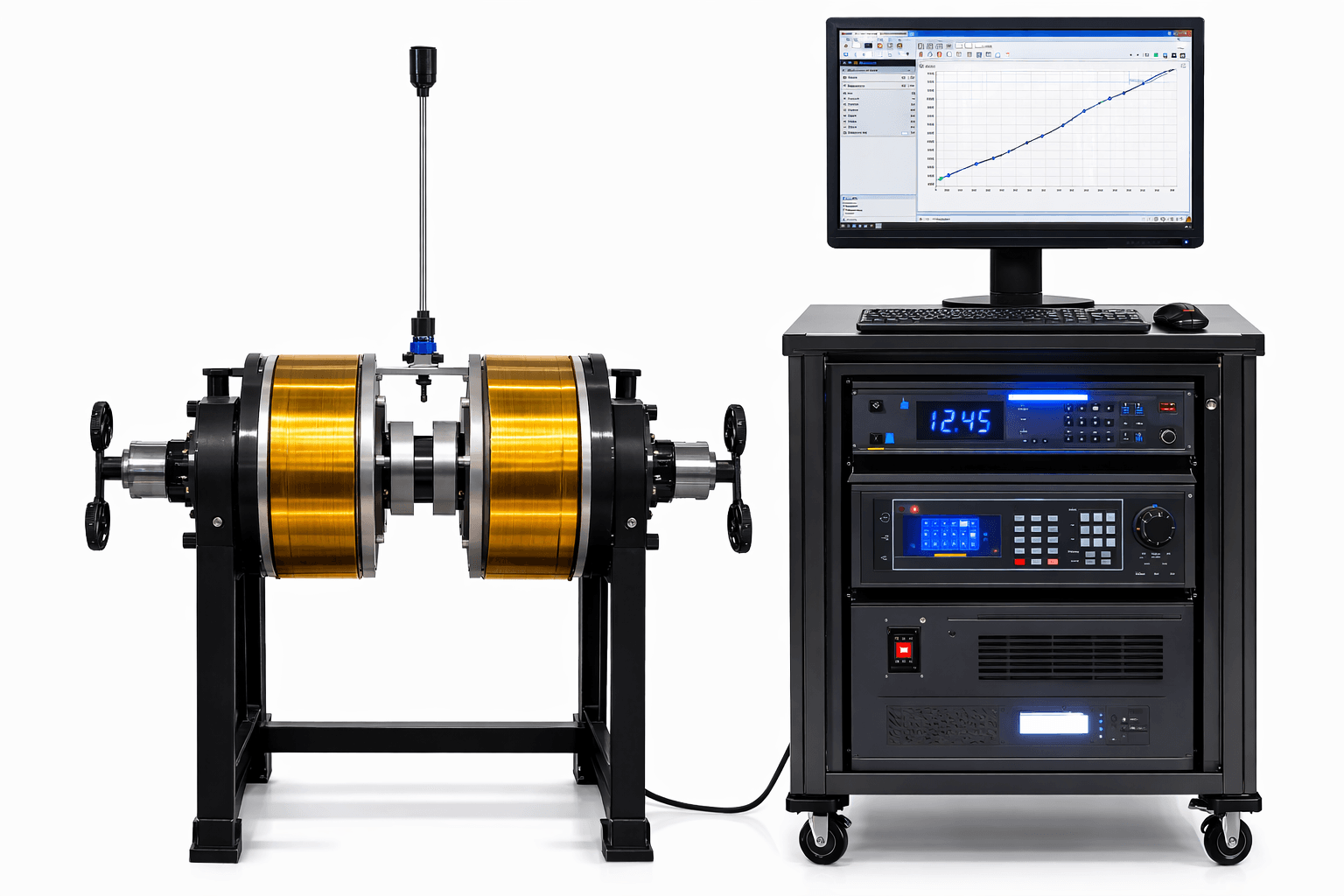
DX-9000 Electrical Transport Properties Measurement System
Automated transport property measurement system integrating Hall effect and magnetoresistance testing.
View Details →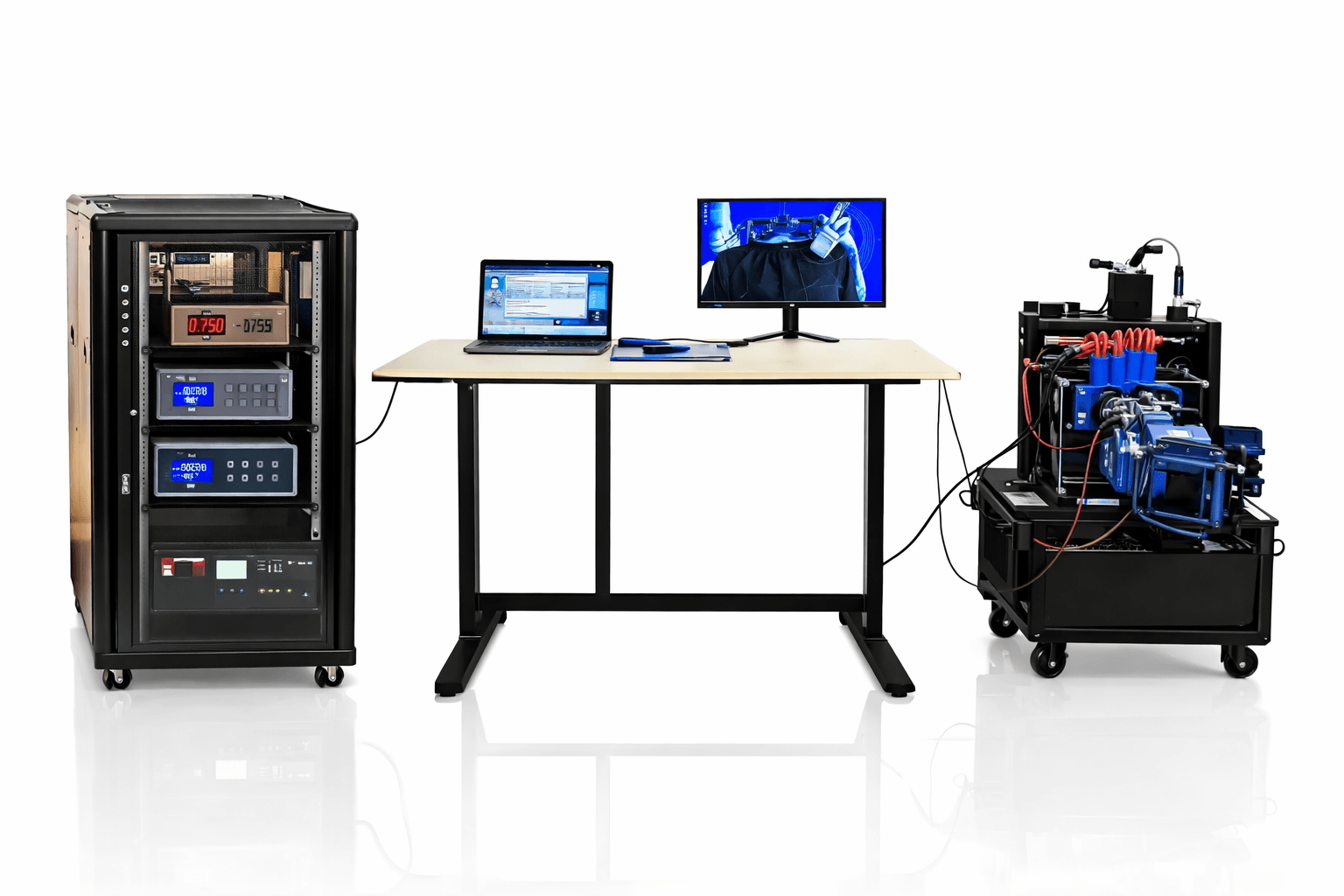
DX-300 Automatic Hall Effect Test System
Fully automatic electromagnetic Hall effect test system with micro-probe integration.
View Details →Hall Effect Measurement Fundamentals
What is Hall Effect Measurement? The Hall Effect is a foundational phenomenon in solid-state physics, used to ascertain the transport properties of a material. When a magnetic field is applied perpendicularly to a current-carrying conductor, the charge carriers (electrons or holes) experience a Lorentz force, causing them to accumulate on one side of the material. This creates a measurable transverse voltage known as the Hall voltage.
How Hall Effect Measurement Works:By precisely measuring this Hall voltage alongside the applied current, magnetic field strength, and the sample's geometry, MAGTRANS Hall Effect systems can determine the material's Carrier Concentration (number of carriers per unit volume), Carrier Type (N-type or P-type conductivity), Carrier Mobility, Resistivity, and the Hall Coefficient. Magnetoresistance can also be measured where relevant.
Measurement Methods: Our systems primarily utilize the Van der Pauw Method for arbitrarily shaped, uniform-thickness samples, and the Hall Bar Method for precisely patterned geometric samples. These methods are critical for accurate characterization of semiconductors, thin-films, and advanced functional materials.
Temperature-Dependent Characterization: Many applications require understanding how a material behaves across thermal extremes. MAGTRANS offers configurations capable of Temperature-Dependent Hall Measurements, ranging from cryogenic levels (4K, 80K) up to high temperatures (1000K), allowing researchers to observe scattering mechanisms, magnetoresistance, and phase transitions.
Applications & Industry Use: These systems are indispensable for Research and Laboratory Applications, specifically in Semiconductor Characterization, Material Science, and Device Physics. By allowing precise measurement of electrical transport properties, they guide the development of next-generation electronics, photovoltaics, and thermoelectric devices.
How to Select a Hall Effect Measurement System: Selecting the correct system depends on the required magnetic field strength, the expected resistance range of your samples (from mΩ to GΩ), and the necessary temperature range. MAGTRANS provides scalable solutions ranging from electromagnet-based benchtop units (like the DX-100) to fully automated, superconducting, variable-temperature platforms.
Frequently Asked Questions
- What is Hall Effect Measurement?
- The Hall Effect Measurement is a technique used to measure the fundamental electrical properties of materials, such as carrier concentration, carrier mobility, resistivity, conductivity, and the Hall coefficient. It is based on the principle that a magnetic field applied perpendicularly to a current-carrying conductor generates a transverse voltage (the Hall voltage).
- How does a Hall Effect Measurement System work?
- A Hall Effect Measurement System works by placing a material sample in a uniform magnetic field, applying a known current through the sample, and measuring the resulting Hall voltage across the sample. Using these measurements along with the sample's thickness and magnetic field strength, the system calculates key transport properties.
- What are the common methods for measuring the Hall Effect?
- The two most common methods are the Van der Pauw method and the Hall Bar method. The Van der Pauw method is widely used for samples of arbitrary shape provided they are uniform in thickness and have no isolated holes, requiring four small contacts on the periphery. The Hall Bar method uses a specifically patterned geometry to ensure uniform current flow and accurate voltage measurements.
- What materials can be characterized using Hall Effect systems?
- Hall Effect systems are extensively used for characterizing semiconductors (like Silicon, GaAs, GaN, SiC), thin films, functional materials, metals, transparent conducting oxides, and topological insulators.
- Why is Temperature-Dependent Hall Measurement important?
- Temperature-dependent Hall measurements (from cryogenic to high temperatures) are crucial for understanding the scattering mechanisms, activation energies, and the transition of carrier behaviors (such as impurity ionization and intrinsic conduction) within a material.