Functional Material Measurement
Thermal Stimulation Current Tester
The DX-TSC Thermal Stimulation Current Tester is used to study dielectric properties of materials such as relaxation time, phase transition, glass transition temperature and activation energy, and is widely applied in research and testing of electrical materials, insulation materials, biomolecules and other functional materials.
With a maximum test voltage of 10 kV, the system provides powerful TSDC measurement capabilities and can be expanded to support high-resistance testing, breakdown testing, dielectric temperature spectrum and frequency spectrum measurements. It allows continuous, high-speed measurements under different conditions and modes, enabling a single DX-TSC tester to replace multiple instruments for functional material testing.
Product Image Gallery
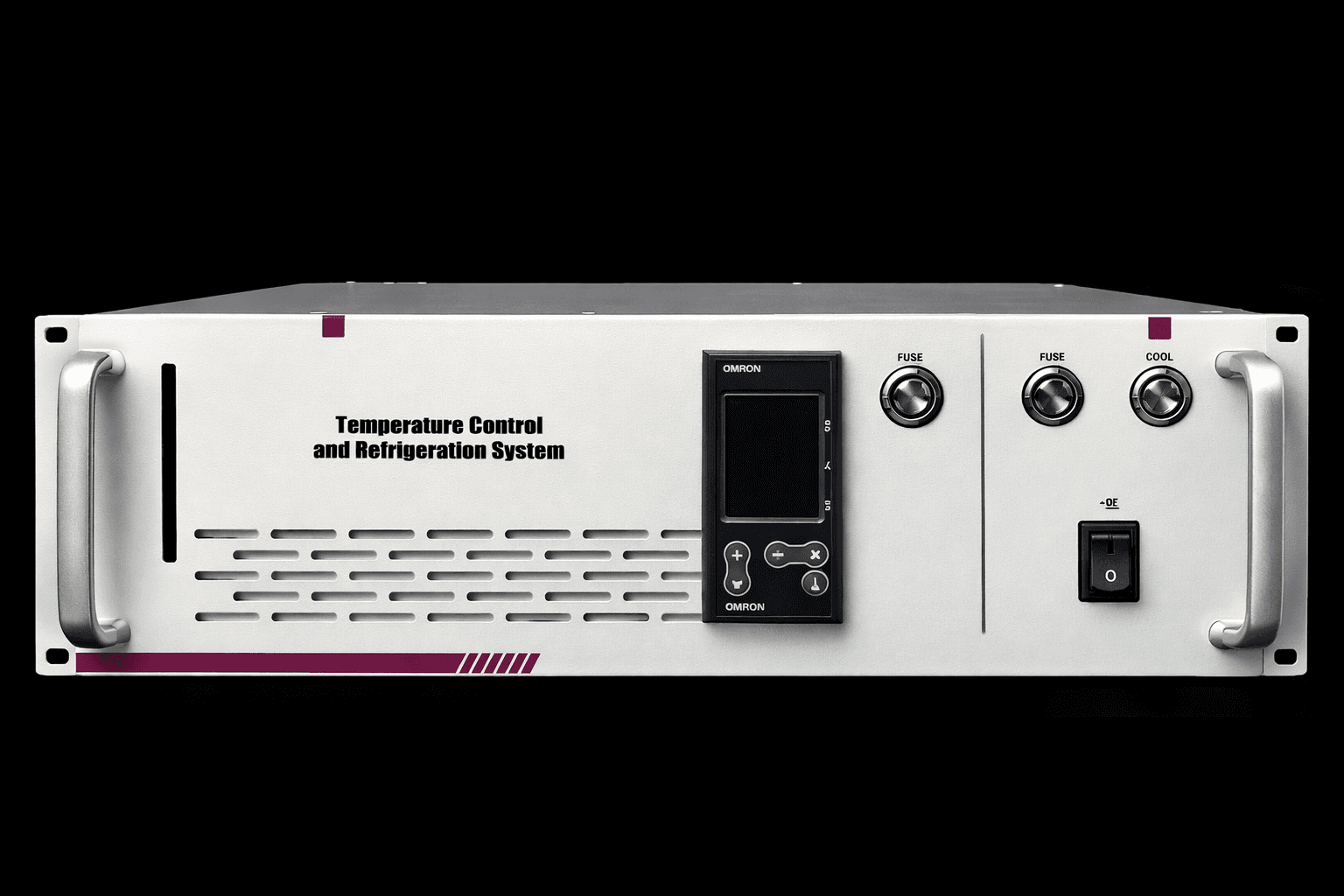
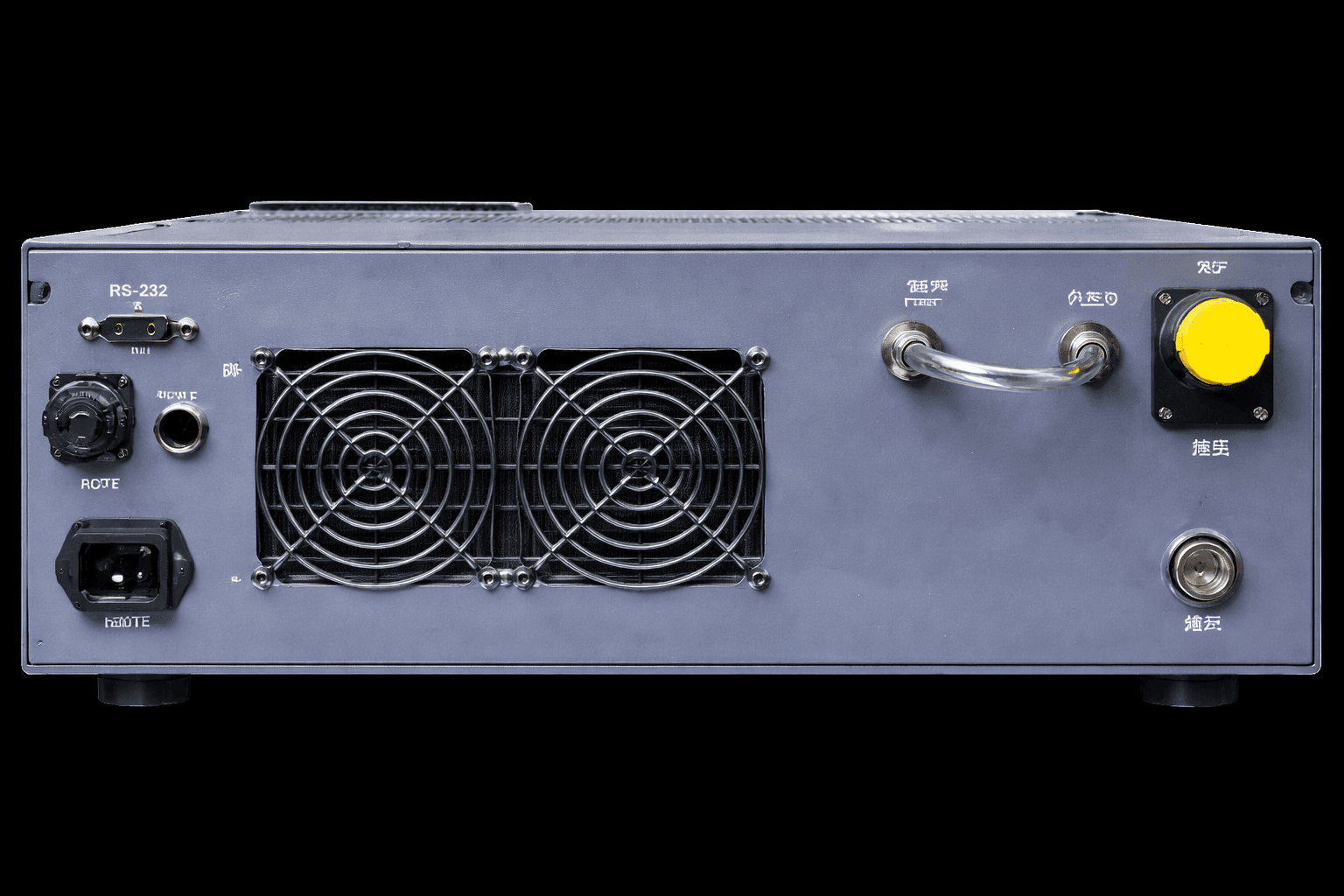
Product Overview
The DX-TSC Thermal Stimulation Current Tester is used to study dielectric properties of materials such as relaxation time, phase transition, glass transition temperature and activation energy. It is widely used in the research and testing of electrical materials, insulation materials, biomolecules and other functional materials.
The DX-TSC tester provides powerful measurement capabilities with a maximum test voltage of 10 kV. Additional testing functions such as high-resistance testing and breakdown testing can also be supported, allowing comprehensive evaluation of dielectric performance under high electric fields.
The system can be expanded to perform dielectric temperature spectrum and frequency spectrum measurements, and supports continuous, high-speed measurements under different conditions and modes. With these capabilities, a single DX-TSC tester can replace multiple instruments used for functional material testing.
Principle
Thermally Stimulated Depolarization Current (TSDC) is the short-circuit current generated when dielectric materials establish or release polarization during heating. The DX-TSC tester records this current as a function of temperature to obtain the TSDC spectrum, revealing the dielectric behaviour of the material.
In a typical test, the sample is clamped between two electrodes and heated to a specific temperature to excite carriers inside the material. A DC polarization voltage is then applied so that carriers drift toward electrodes or dipoles become oriented.
After full polarization, the sample is cooled to a low temperature to freeze the polarization state. The sample is subsequently reheated at a constant heating rate while the depolarization current is recorded using a sensitive galvanometer. The resulting TSDC spectrum contains information about relaxation processes, phase transitions and activation energies within the dielectric material.
Product Parameters
| Equipment model | DX-TSC |
| Temperature range | −185 ~ 600 °C |
| Temperature control accuracy | ±0.25 °C |
| Heating slope | 10 °C/min (adjustable) |
| Maximum test voltage | ±10 kV |
| Heating method | DC electrode heating |
| Cooling method | Water cooling |
| Input voltage | AC 220 V |
| Sample size | φ < 25 mm, d < 4 mm |
| Electrode material | Brass or silver |
| Fixture auxiliary material | 99 alumina ceramic |
| Low temperature refrigeration | Liquid nitrogen |
| Test function | TSDC |
| Data transmission | RS-232 |
| Equipment size | 180 mm × 210 mm × 50 mm |
1. Eliminate the influence of network harmonics on acquisition accuracy
Power grid harmonics are high-order harmonic components that exist in electrical systems due to nonlinear loads and can interfere with precision instruments such as communication systems, computer systems and measurement equipment. Most heating devices use AC heating wires powered by 50 Hz sinusoidal signals, which introduce additional harmonic interference.
Dexinmag instruments adopt DC heating technology combined with dedicated filtering methods to greatly reduce harmonic interference and improve measurement accuracy in TSDC and related dielectric tests.
2. Eliminate the influence of measurement wire impedance and shielding at high temperatures
Transmission lines have inherent impedance characteristics, and impedance mismatches can introduce measurement errors when transmitting weak signals. Measurement accuracy is improved by using impedance-matched measurement cables, reducing cable length to minimise signal distortion and employing insulating structures such as ceramics and refractory materials.
The DX-TSC system applies a three-electrode measurement method to improve shielding performance and reduce the impact of lead impedance and stray capacitance on the measured depolarization current.
3. Optimized sample temperature measurement and electrode design
Based on the parallel-plate electrode principle, the measurement electrode is designed to be as small as possible to reduce stray capacitance and spatial influence. A conductive layer is typically sputtered on the sample surface to form a stable electrode interface.
Because different materials have different thermal expansion coefficients, thermocouple readings near the sample may differ slightly from the actual material temperature. Using a reference sample allows the system to obtain a more accurate true temperature and better correlate TSDC peaks with physical transitions.
4. Powerful operating software
The test system software is developed using the LabVIEW platformand supports multiple testing functions for functional materials. Features include a multilingual interface (Chinese / English), real-time monitoring of test status, visual legend and status management, user permission management and an equipment fault alarm system.
The software provides custom test report generation with export of reports in Excel and PDF formats, and supports automatic saving of data during unexpected power interruptions with restoration after system restart. Compatible operating systems include Windows XP, Windows 7 and Windows 10.
5. Supported hardware
The DX-TSC system can be integrated with additional hardware to extend its testing capabilities, including:
- External 6517B or other high-voltage DC power supply
- External high-voltage amplifier (±100 V to ±10 kV)
- Low-noise test fixtures
- Temperature controller and high-low temperature chamber
6. Additional test functions
- Pyroelectric testing
- Leakage current testing
- User-defined excitation waveform testing